

Building Resilience Through Disaster Preparedness
Empowering communities to respond, recover, and thrive
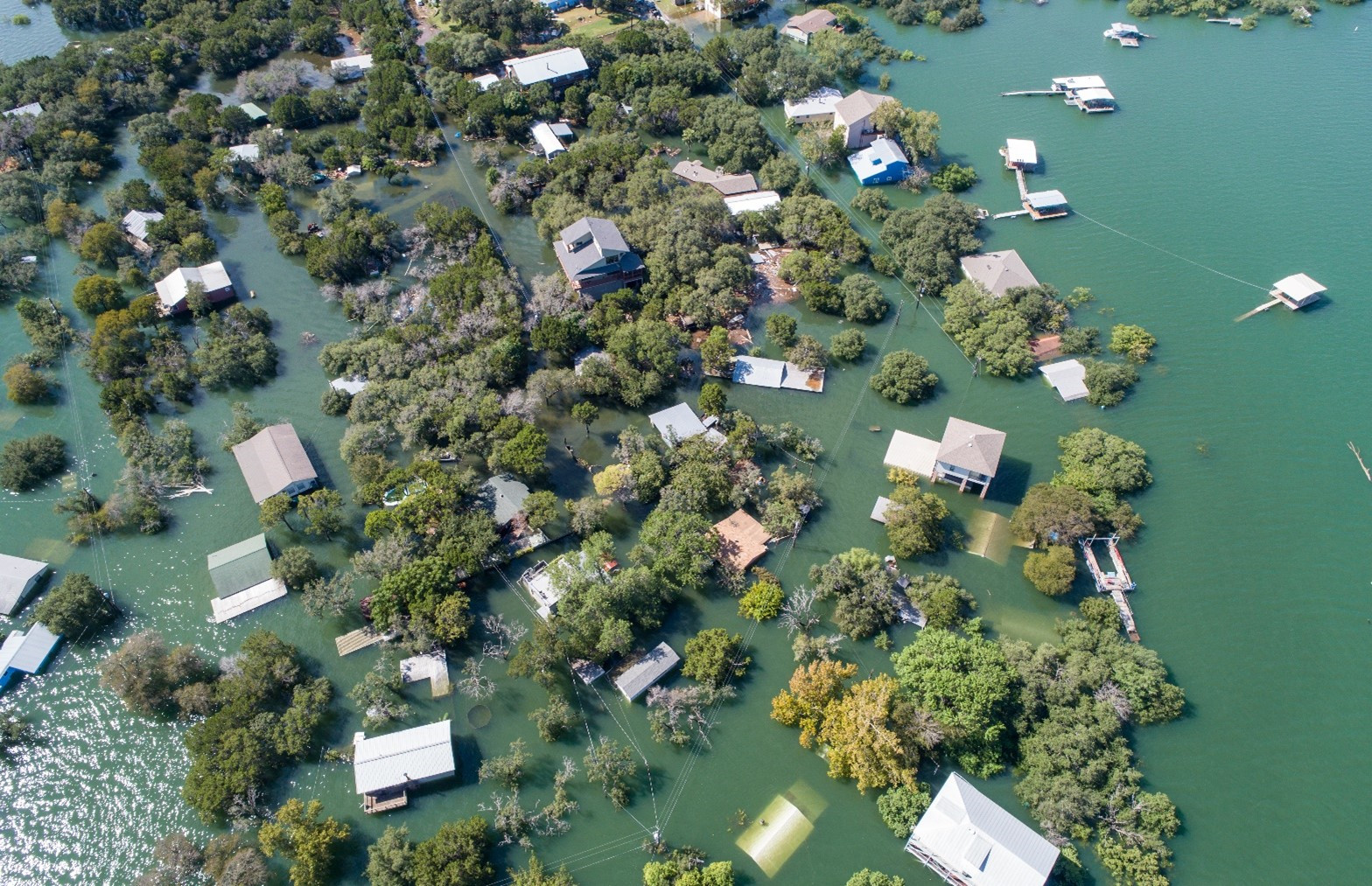
Natural disasters and emergencies can strike without warning, leaving communities vulnerable to devastating impacts. For public agency leaders, disaster preparedness is not just an operational necessity. It’s a shared responsibility that brings together public agencies, procurement teams, and trusted partners to protect lives, safeguard infrastructure, and build resilient communities. With proactive planning and teamwork, communities can reduce risks, recover swiftly, and emerge stronger.
Understanding why preparedness matters
Disaster preparedness serves as the foundation for effective emergency management. It includes assessing risks, creating action plans to secure resources, and training personnel to handle emergencies like hurricanes, wildfires, and public health crises. When communities prioritize preparedness, they reduce response times, limit economic disruption, and save lives.
For example, advanced planning can help ensure that emergency shelters are operational before a storm hits or that water and food supplies are prepositioned in areas likely to be affected. Without this preparation, recovery efforts can be delayed, exacerbating the human and economic toll of disasters.
Preparedness also builds trust. When residents see local agencies working together to anticipate challenges and implement solutions, they feel more confident in their safety. Trust is crucial during crises, as it fosters cooperation and compliance with emergency directives.
Streamlining emergency resources through cooperative purchasing
Procurement professionals play a pivotal role in disaster management by ensuring the availability of critical resources, from emergency supplies to construction services. To support these efforts, cooperative purchasing provides a streamlined, efficient solution for disaster response. Sourcewell’s ready-to-use, competitively solicited contracts give public agencies immediate access to awarded suppliers, simplifying the procurement of construction services, emergency supplies, and repair equipment.
According to recent research by Gartner, traditional public-sector procurement processes add an average of seven months to project timelines. Job Order Contracting methods, such as Sourcewell’s construction contracts administered by Gordian, allow construction projects to begin within 10–15 days — a significant difference when repairing infrastructure or restoring essential services after a disaster. Additionally, a study by Arizona State University found that indefinite delivery/indefinite quantity (IDIQ) construction methods reduce administrative and procurement costs by up to 24%, freeing resources for other recovery efforts.
By integrating cooperative purchasing into disaster preparedness strategies, communities can expedite recovery efforts, reduce costs, and ensure a more resilient response to future challenges.
Creating ripple effects that strengthen communities
The impacts of preparedness extend far beyond the immediate crisis. When public agencies and their partners collaborate to build resilient systems, the impact cascades across multiple sectors:
- Economic stability: Preparedness initiatives, such as fortifying critical infrastructure, minimize economic losses and speed up recovery.
- Health and well-being: Pre-established plans for medical triage, resource allocation, and communication ensure timely care and prevent public health system failures during emergencies.
- Education and awareness: Community preparedness programs educate residents on how to respond during disasters, reducing demand on emergency services.
- Social cohesion: Involving diverse stakeholders — such as schools, nonprofits, and local businesses — build stronger networks of support that endure long after the crisis has passed.
Collaborating for safer futures
Effective disaster preparedness depends on collaboration among public agencies, procurement teams, and trusted partners. By working together, these groups can share resources, expertise, and solutions to address complex challenges. Sourcewell’s network of awarded suppliers, strategic solution providers, and ready-to-use contracts equips agencies with the tools and support needed to streamline processes and build tailored strategies for their communities. For example:
- Collaborating to conduct regional hazard assessments to identify shared vulnerabilities
- Accessing cooperative contracts to quickly secure construction, supplies, and equipment
- Hosting joint training exercises to simulate disaster scenarios and test response plans
- Applying FEMA’s Community Lifelines framework to prioritize critical services during emergencies
These collaborative efforts not only improve readiness, but also promote equity by ensuring that underserved populations are also included in preparedness initiatives.
Working together to build more resilient communities
Preparedness is a collective effort that requires coordination, resources, and sustained commitment from every sector of the community. By prioritizing preparedness, public agencies can strengthen local resilience, reduce the impacts of disasters, and create a safer, more secure future for all.
In the face of growing challenges — from climate change to evolving public health threats — the call to action is clear: Invest in preparedness today to protect communities tomorrow.
Sourcewell offers hundreds of competitively solicited contracts from quality, responsive suppliers. Find essential equipment and critical services to support your emergency preparedness efforts. Explore our contracts today.
Article contributed by Disaster Recovery Services (DRS). DRS specializes in predisaster planning and post-disaster recovery, including procurement, damage assessments, FEMA and insurance financial recovery, and rebuild coordination.